REVIEW · KEY WEST
Key West Shipwreck Treasure Museum Tickets
Book on GetYourGuide →Operated by Historic Tours of America** - Key West · Bookable on GetYourGuide
Key West has a knack for turning shipwreck chaos into something you can touch, see, and actually understand. This museum pairs two floors of real recovered artifacts with live-style storytelling, so the history feels practical instead of dusty. Two things I really like are the interactive hands-on moments (yes, including a 64-pound silver bar lift) and the payoff at the top of the 65-foot look-out.
The main drawback is that the experience is mostly indoor and show-driven, so if you’re expecting lots of free wandering or a fast 30-minute stop, you may want to adjust your expectations. Also, the museum is wheelchair accessible only on the main floor.
In This Review
- Key highlights you’ll care about
- Where to start: Mallory Square and an easy arrival
- Two floors of genuine shipwreck artifacts (not props)
- The silver bar lift: a hands-on moment you’ll remember
- Asa Tift’s warehouse: learning the wrecking business in 19th-century style
- Storytellers, audio-visual shows, and the timing you can plan around
- The 65-foot look-out: best return on your walking
- What a one-day ticket actually buys you
- Who should book this (and who should think twice)
- Smart planning tips to make your visit feel effortless
- Should you book? My practical take
- FAQ
- Where is the meeting point for the Key West Shipwreck Treasure Museum tickets?
- How much do tickets cost?
- How long is the experience?
- What’s included with the ticket?
- How often do the presentations start?
- What time is the last show?
- Is the museum wheelchair accessible?
- What language are presentations hosted in?
Key highlights you’ll care about
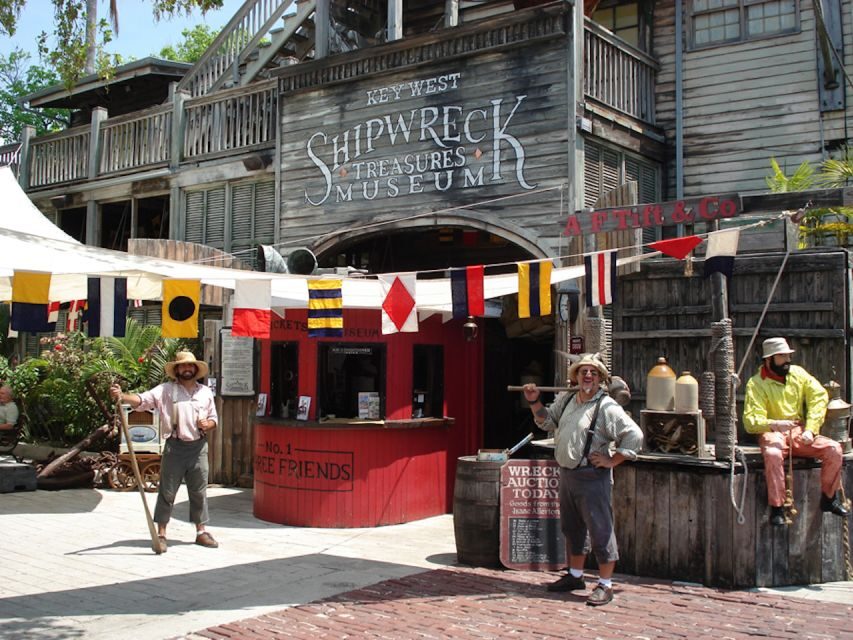
- Real shipwreck finds recovered from Key West and the Florida Keys, including wrecks tied to Spanish fleets
- 64-pound silver bar lift linked to the 1656 Nuestra Señora de las Maravillas wreck
- Costumed storytellers + audio-visual presentations that run on a tight schedule
- Asa Tift’s warehouse setting recreating the 19th-century wrecking world
- A 65-foot look-out tower for a full island view
- Show timing matters since presentations start every 20 minutes and the last one is at 4:40 PM
Where to start: Mallory Square and an easy arrival

This is the kind of museum stop that fits naturally into a Key West day. Your meeting point is at 1 Whitehead Street, right by Mallory Square (the same general area where you’re likely already walking around). If you’re driving, parking is available at Mallory Square or at The Westin Parking garage, which helps if you want to keep the rest of your day flexible.
Plan to arrive with a little breathing room. Presentations run on a repeating rhythm, so showing up right on time can help you avoid waiting through dead time. And because the museum includes both exhibits and staged presentations, you’ll get more out of your visit if you’re not sprinting between rooms.
You can also read our reviews of more tours and experiences in Key West



Two floors of genuine shipwreck artifacts (not props)
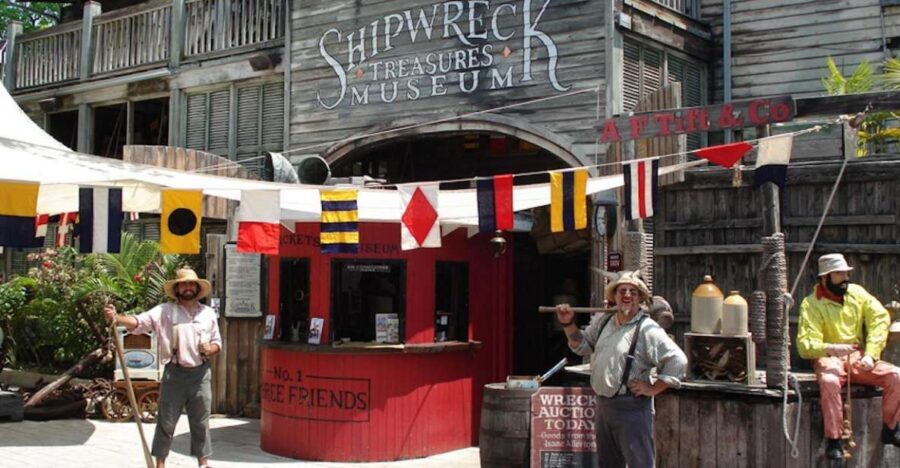
The big promise here is straightforward: two floors of genuine recovered artifacts connected to real wrecks in the area. Key West sits near treacherous reefs, and since early Spanish navigation through the Florida Straits, ships have been running into trouble. The museum turns that into a guided story of what wrecking and salvaging looked like on the ground.
On the exhibit floors, you’ll see pieces from Spanish fleets dating back to the 1600s and 1700s, plus items tied to the Isaac Allerton wreck from 1856. What I like about the way this is presented is that it’s not only about drama at sea. It’s about outcomes: what cargo was worth, why wreckers mattered, and how recovery shaped life in Key West.
A practical note: you can explore at your pace, but if you want the full impact, don’t rush the artifact reading panels. The context is what makes the objects click, especially when the museum connects them to the wrecking boom that powered the island’s economy.
The silver bar lift: a hands-on moment you’ll remember
One of the most memorable interactive features is your chance to lift a 64-pound silver bar. It’s tied to the 1656 shipwreck of the Nuestra Señora de las Maravillas. Even if you’re not a history person, this kind of tactile activity changes your brain chemistry. You stop thinking of the past as a picture book and start feeling the weight of what was at stake.
Why it matters for your experience: the museum is trying to make salvage real. A bar like that isn’t just a cool object behind glass. It’s evidence of value, risk, and the physical work behind recovery efforts. The museum uses the lift to translate story into sensation.
If you’re short on time, I’d prioritize the interactive moment over speed-scanning every label. You can always look back at the rest of the artifacts after. The silver bar moment gives you a mental anchor for the rest of the exhibits.
Asa Tift’s warehouse: learning the wrecking business in 19th-century style
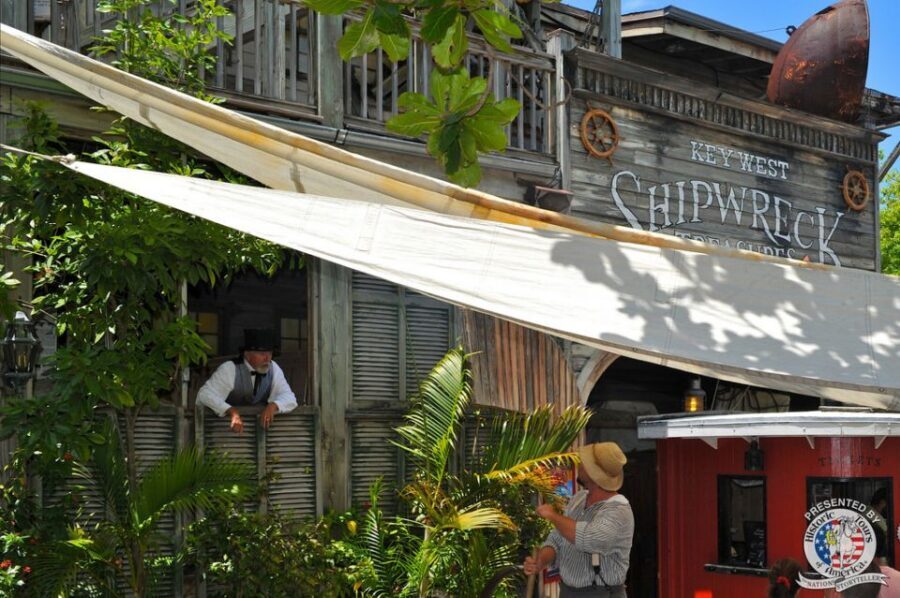
The museum itself is built as a recreation of the 19th-century wrecker tycoon Asa Tift’s warehouse. That design choice does more than look “period.” It frames the whole story as an industry, not just a sequence of ship tragedies.
Here’s the key context you’ll pick up while walking through: in the 1800s, wrecking and salvaging became the foundation of Key West’s economy. That economic boom mattered enough that by the mid-1850s, Key West was reportedly the richest city per capita in the United States. The museum doesn’t treat those facts like trivia. It uses them to explain why recovery efforts attracted people, tools, and ambition.
For me, the warehouse setting is where the museum becomes extra useful. If you’ve ever wondered how a frontier town turned sea accidents into local livelihoods, this gives you a concrete model. You’ll see the logic of wrecking as a system: locate the ship, recover valuables, and turn those finds into money back on shore.
Storytellers, audio-visual shows, and the timing you can plan around
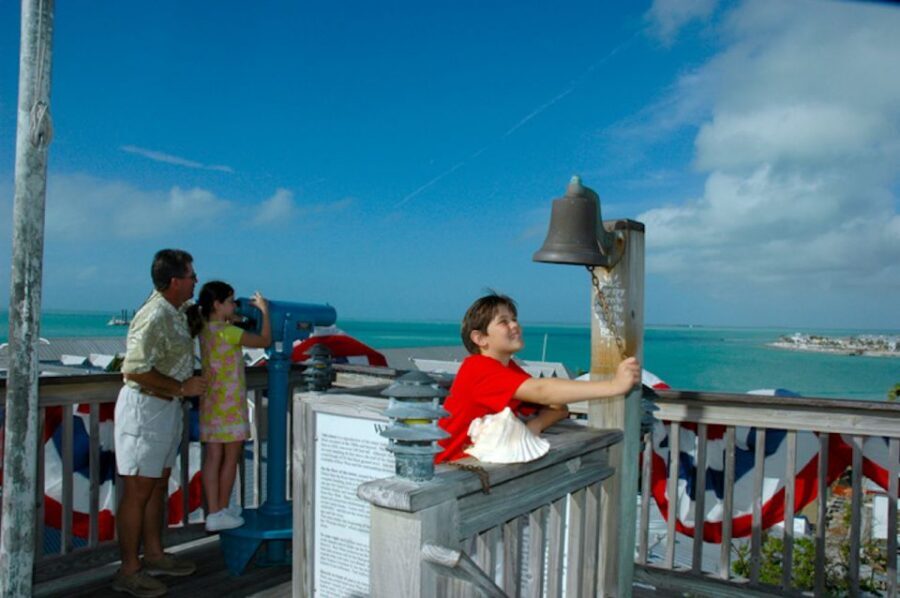
The museum experience is not purely self-guided. It includes presentations with storytellers dressed in costumes and audio-visual displays that bring the maritime past to life.
The schedule is clear, which is great for planning: presentations start every 20 minutes, at the hour, 20-past, and 20-to. The last show starts at 4:40 PM. This is one of those practical details that can either help your day or complicate it—so plan your arrival based on when you want to catch a show.
My advice: treat the presentations like the backbone of your visit. If you can, arrive early enough to see at least one full presentation and still have time for artifact browsing before and after. If you only catch the last one of the day, you’ll still have a satisfying museum visit, but you’ll feel rushed inside the exhibit space.
You can also read our reviews of more museum experiences in Key West


The 65-foot look-out: best return on your walking
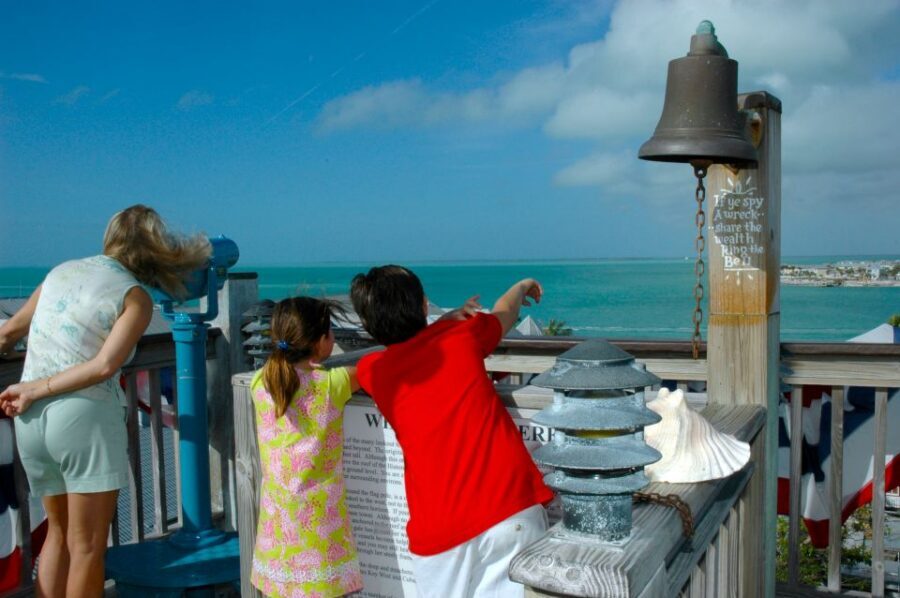
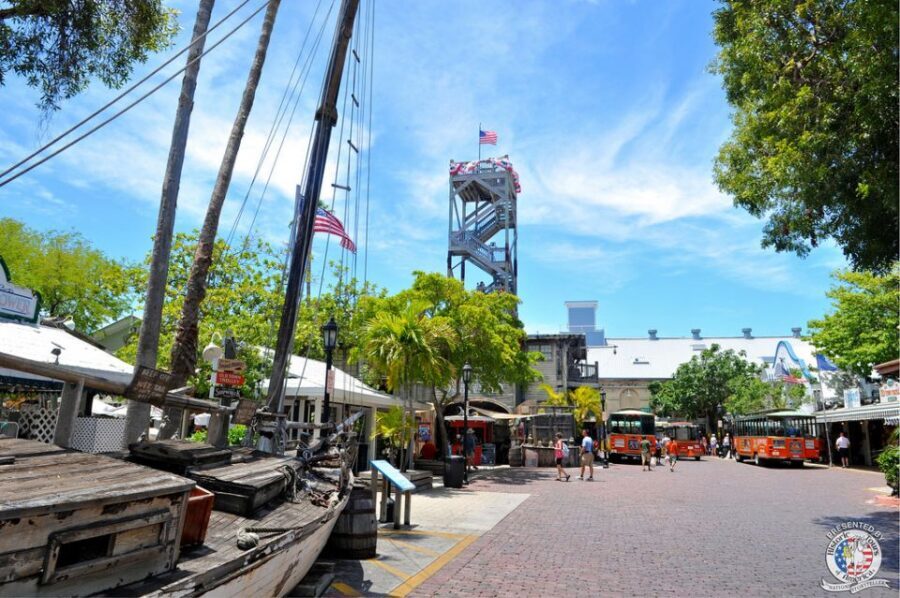
After the artifacts and shows, the museum offers a strong payoff: a 65-foot look-out where you can see the island from above. If you like to connect history to geography, this is where the pieces click. You get a sense of the island’s shape and surroundings, which makes the wrecking story feel less abstract.
Why this matters: the museum is about ships, reefs, and a coastline that demanded attention. Looking out over Key West helps you understand why the area could be both useful and dangerous for navigation. It’s not just a view for views’ sake—it’s a geography lesson.
If you care most about the look-out, aim your visit so you’re not sprinting toward it at the end while you’re hungry, tired, or distracted. The top is a great place to slow down, take a breath, and let the earlier exhibits make more sense.
What a one-day ticket actually buys you
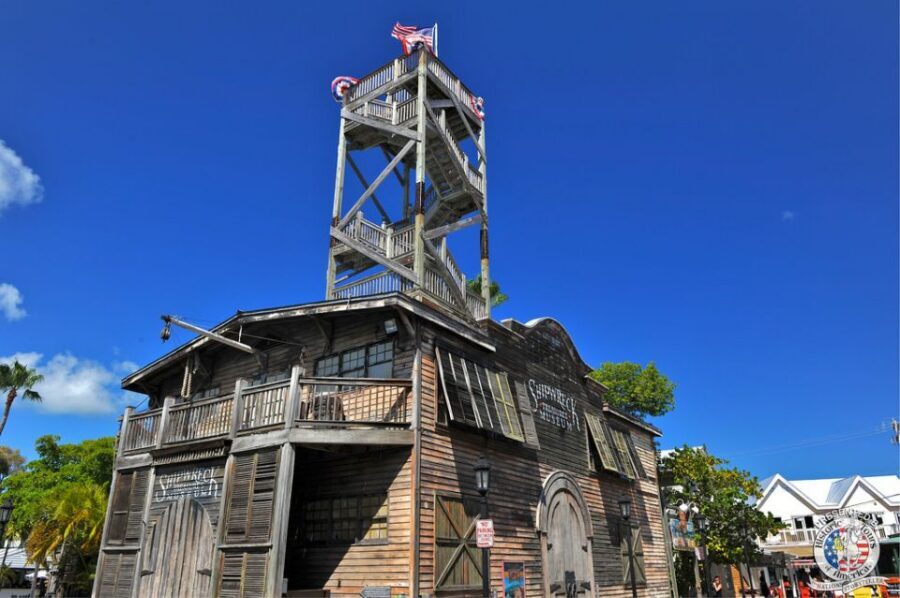
This ticket is priced at $19 per person and lasts 1 day. For the money, you’re getting more than entrance to a static gallery. You also get the presentations, plus access to the artifact floors and the look-out.
Here’s where the value calculation gets interesting:
- If you’re the type who likes hands-on moments and scheduled storytelling, the museum gives you multiple formats in one stop: exhibits, interactive lifting, and live-style presentations.
- If you prefer short visits and mostly outdoors, the indoor, show-based structure might feel like a mismatch.
Duration-wise, you’ll likely structure your time around the presentation rhythm. Even if you don’t stay for every presentation slot, catching one properly timed show can make the whole visit feel “complete,” instead of like you skimmed a bunch of rooms.
Also, the museum is wheelchair accessible on the main floor only. If mobility is a factor for you, plan your route around that early so you’re not disappointed by access limits later.
Who should book this (and who should think twice)
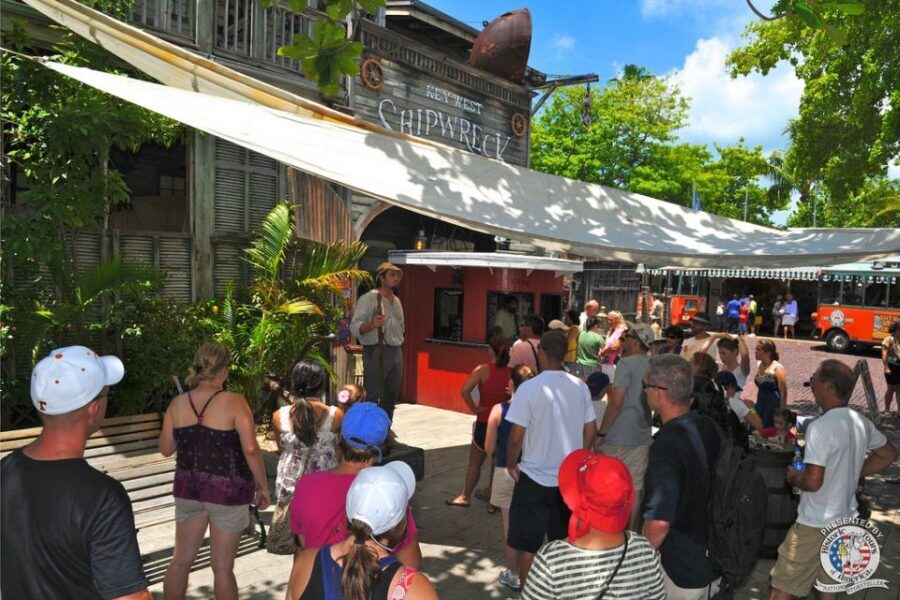
This ticket fits best if you like history that has physical weight—objects you can point at and stories tied to real wrecks. You’ll probably enjoy it most if you’re curious about how Key West’s wealth was shaped by the sea, and you like experiences that mix exhibits with storytelling.
It can be a lot for very young kids. One data point from recent feedback suggests that the experience may be quite demanding for small children. So if you’re traveling with little ones, you might want to go in with patience, shorter attention spans in mind, and a realistic plan for waiting around show times.
If you’re a die-hard art museum person who only wants paintings and quiet halls, this might feel more educational and structured than you expect. But if you’re open to an active, story-led museum, it’s a strong use of a Key West day.
Smart planning tips to make your visit feel effortless
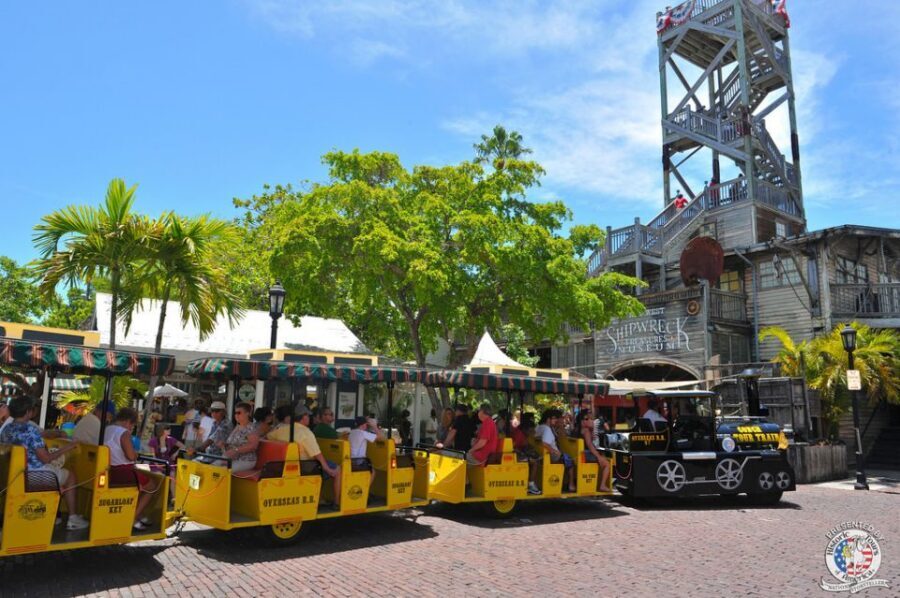
A few simple choices can make a big difference here:
- Time your arrival around a presentation slot. Shows start every 20 minutes, and the last show begins at 4:40 PM.
- Prioritize the silver bar moment if you love interactive stops. The 64-pound lift is the kind of feature that sets the tone fast.
- Use the look-out to connect story to place. The 65-foot tower is your geography payoff.
- If you’re parking, choose based on comfort first. Parking is available at Mallory Square and The Westin garage, so pick what reduces walking with your day pack.
Also, the host language is English, so it’s easiest if you’re comfortable with English presentations and signage.
Should you book? My practical take
If you want one ticket that gives you real shipwreck artifacts, a rare interactive moment with a 64-pound silver bar, and a 65-foot view over Key West, this is a great value at $19. The museum’s structure is actually helpful: presentations run regularly, the exhibits are laid out across two floors, and the warehouse theme ties everything together.
I’d tell you to book if you like hands-on history and don’t mind planning your timing around show starts. I’d think twice if your group includes very small kids who struggle with longer indoor attention, or if you’re only looking for an ultra-fast stop with minimal waiting.
FAQ
Where is the meeting point for the Key West Shipwreck Treasure Museum tickets?
The meeting point is 1 Whitehead Street, Mallory Square, Key West, FL 33040.
How much do tickets cost?
Tickets are $19 per person.
How long is the experience?
This is listed as 1 day.
What’s included with the ticket?
The ticket includes museum entrance and presentations.
How often do the presentations start?
Presentations start every 20 minutes, at the hour, 20-past, and 20-to.
What time is the last show?
The last show starts at 4:40 PM.
Is the museum wheelchair accessible?
It is wheelchair accessible on the main floor only.
What language are presentations hosted in?
The host or greeter is listed as English.