
REVIEW · KEY WEST
Key West: History and Culture Southernmost Walking Tour
Book on GetYourGuide →Operated by Florida Keys Ventures · Bookable on GetYourGuide
Southernmost Key West has a strong story. Starting at Kino Sandals Plaza, this 90-minute walking tour uses a local guide to turn the island’s streets into clues about how Key West grew fast in the mid-1800s. You’ll hear how different industries built the wealth—and why the city’s shoreline history is still written into the present.
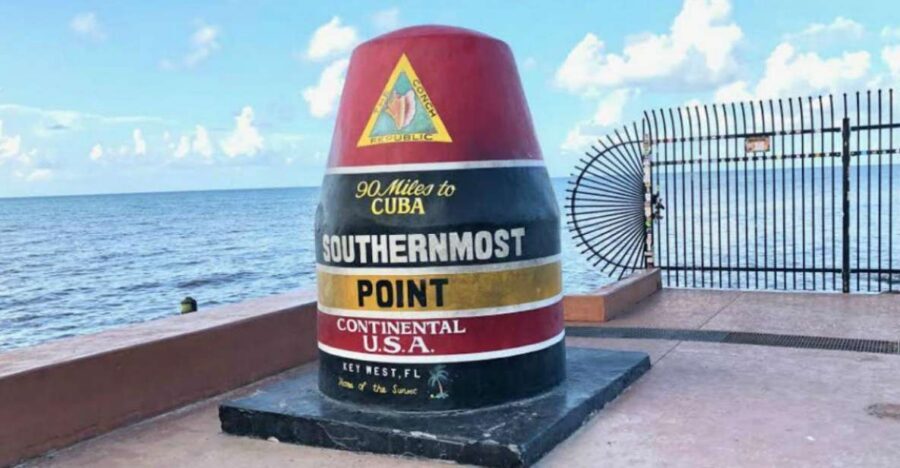
I especially like that the tour focuses on “how it worked,” not just names and dates. You’ll follow the trail from shipwrecking to sponge harvesting to cigar manufacturing, with your guide explaining the island logic in plain language. It ends at a buoy at the Southernmost Point of the continental U.S., and that’s a real payoff moment, not just a photo stop.
One consideration: this is a walking tour, and it’s not suitable for people with limited mobility. You should plan on warm-weather walking of about 1.4–1.8 miles and come ready with comfort in mind.
In This Review
- Key Points That Make This Tour Worth Your Time
- From Kino Sandals Plaza to the Southernmost Point Buoy
- The Mid-1800s Story: Why Key West Got Wealthy Fast
- Shipwrecking, Sponges, and Cigars: The Industries That Made the Island
- Shipwrecking: When the Sea Brings Both Danger and Income
- Sponge Harvesting: Turning the Ocean’s Resources Into Trade
- Cigar Manufacturing: The Island’s Manufacturing Side
- A visual touch that helps you follow along
- Ending at the Southernmost Point: Your “Got It” Moment
- The 90-Minute Reality Check: Distance, Weather, and What to Bring
- Price and Value: Is $39 Worth 90 Minutes in Key West?
- Who This Tour Suits Best (and Who Should Skip It)
- Should You Book This Southernmost Walking Tour?
- FAQ
- Where does the tour start?
- How long is the Key West History and Culture Southernmost Walking Tour?
- How much walking is involved?
- What is the tour route based around?
- Does the tour run in the rain?
- Is this tour suitable for people with limited mobility?
Key Points That Make This Tour Worth Your Time
- Kino Sandals Plaza start makes it easy to find and settle in before you set off.
- 90 minutes, 1.4–1.8 miles is short enough to fit a busy Key West day.
- Industry stories, not trivia: shipwrecking, sponge harvesting, and cigar manufacturing.
- Southernmost Point buoy finish gives you a clear endpoint and a milestone to anchor the day.
- Free maps at the end help you keep exploring shops and museums right away.
- Guides use visual aids; one guide presentation included photo sharing via a screen to help you picture what they described.
From Kino Sandals Plaza to the Southernmost Point Buoy
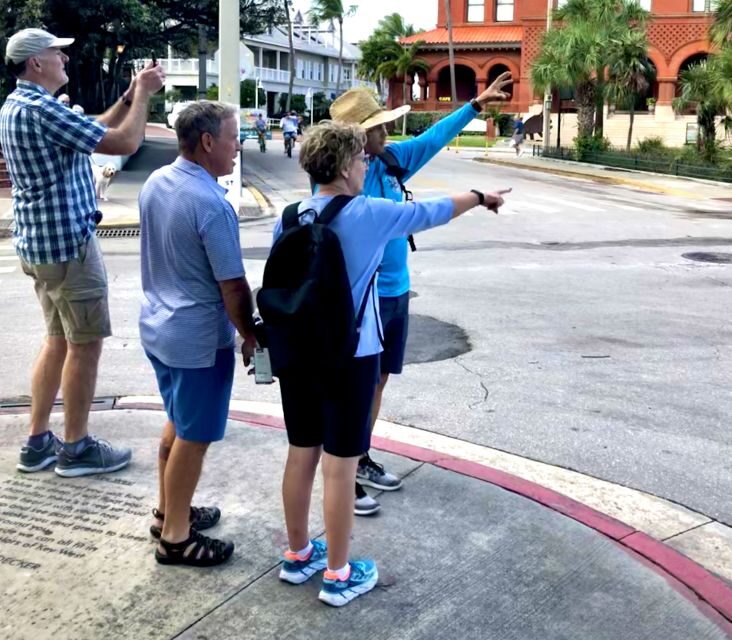
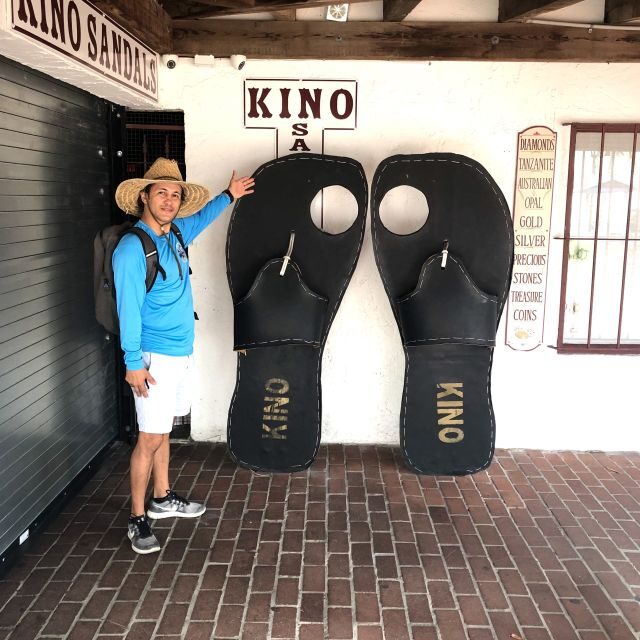
Most Key West tours start strong. This one starts practical: Kino Sandals Plaza is the meeting point, so you’re not guessing where to go or wandering around to find the group. From there, you’ll walk through Key West’s streets while your guide connects the dots between geography and economy.
What makes the route feel smart is the way it’s structured around an idea. You’re not doing random stops for the sake of stopping. You’re moving along and learning why Key West became wealthy in the mid-1800s—then you get to end right where a lot of people point their cameras: the buoy marking the Southernmost Point of the continental U.S.
The walk itself is part of the fun. You get a chance to see how the island’s setting shapes everything, from the tight urban feel near the waterfront to the sense that Key West has always been pulled between sea and commerce. And when you hit the endpoint, you’re not starting from scratch—you’ve already got a framework for what you’re seeing.
You can also read our reviews of more walking tours in Key West



The Mid-1800s Story: Why Key West Got Wealthy Fast
A lot of places have history. Key West has a reason-history: the island’s location made it valuable, and its industries made it profitable.
On this tour, you’ll learn how Key West became one of the wealthiest cities in the mid-1800s. That may sound like a big claim, but your guide breaks it down into understandable pieces: people, work, demand, and risk. You’ll hear how the island’s economy was shaped by what was happening on the water and what could be brought ashore and sold.
This is one of the best parts of the experience because it changes how you’ll look at Key West after the tour. Instead of seeing only postcard streets, you’ll notice how much of the island’s identity comes from maritime business—especially the tension between opportunity and danger. Even if you don’t remember every date, you’ll remember the pattern: Key West’s money came from turning sea activity into goods and services on land.
It’s also a tour that respects your time. The total duration is 90 minutes, which is long enough to absorb the storyline but not so long that you feel dragged across town.
Shipwrecking, Sponges, and Cigars: The Industries That Made the Island
The guide’s main job here is to translate the island’s major industries into real stories you can picture. And the three themes you’ll hear—shipwrecking, sponge harvesting, and cigar manufacturing—work because they’re connected to the ocean, the shoreline, and the daily work on the island.
Shipwrecking: When the Sea Brings Both Danger and Income
Shipwrecking is a dramatic topic, but the value is in the practical angle. Your guide explains how shipwrecks tied into local wealth during Key West’s growth years. You’ll come away understanding that this wasn’t just chaos—it was part of an economic system that formed around maritime traffic and its mishaps.
Even if you’re squeamish about the subject, it’s worth hearing because it tells you why Key West developed specific roles and skills related to the sea. It also helps explain the island’s long relationship with the water, not just in mythology, but in jobs and commerce.
Sponge Harvesting: Turning the Ocean’s Resources Into Trade
Next comes sponge harvesting. This is where you start thinking beyond the obvious “sea story” and into supply chains. You’ll learn how sponges were gathered and why that mattered for trade. Your guide keeps it grounded in how an island economy can form when you have a natural resource that outsiders want.
The takeaway for you: you’ll understand why Key West wasn’t only about leisure. It was also about extraction, timing, and survival.
You can also read our reviews of more historical tours in Key West






Cigar Manufacturing: The Island’s Manufacturing Side
Then you get the industry that feels more land-based: cigar manufacturing. Your guide ties it back to wealth and why Key West could support that kind of work during its booming period. You’ll see the connection between imported materials, local labor, and the demand that brought money to the island.
If you like history that feels like economics, this part hits well. It helps you picture Key West as a place where people weren’t only responding to the ocean—they were also building local production.
A visual touch that helps you follow along
Several guides on this tour use a screen to show photos as they explain what you’re hearing about. That small detail makes a big difference. It helps you picture eras and activities you can’t directly see on the street, and it keeps the tour from becoming only a stream of facts.
Ending at the Southernmost Point: Your “Got It” Moment
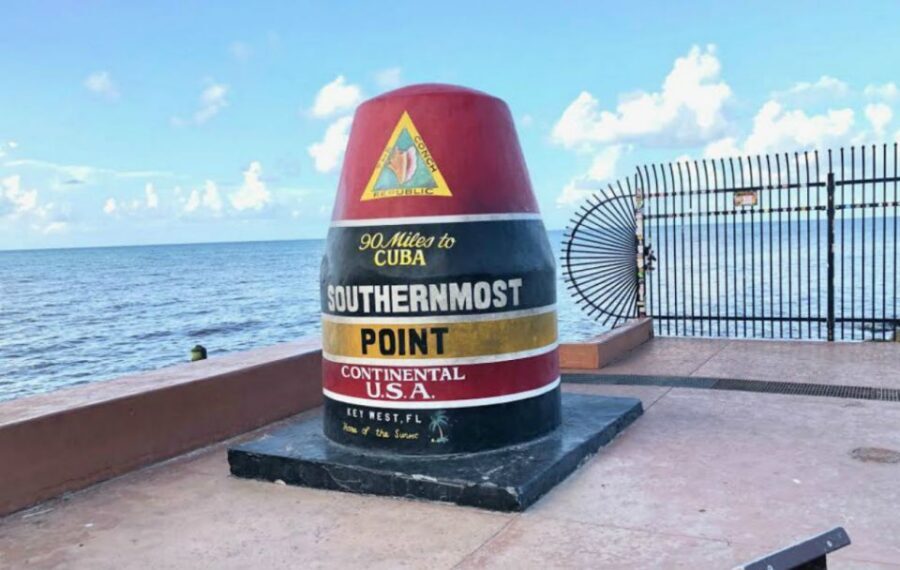
The tour finishes at a buoy showing the Southernmost Point of the continental U.S. That endpoint matters because it gives your brain a clear anchor. You’re not wandering off in the middle of the story—you reach the iconic marker after you’ve learned the island’s economic background.
Once you arrive, your guide gives you free maps. This is a smart add-on because it turns the walking tour into a launchpad. Instead of asking, What do we do next? you already have tools to keep going.
The map handoff is especially useful for figuring out your next moves in the immediate area—where to find shops, museums, and other points of interest along this part of Key West. And since you just learned how the island’s industries shaped the town, you’ll likely appreciate what you see next even more.
The 90-Minute Reality Check: Distance, Weather, and What to Bring
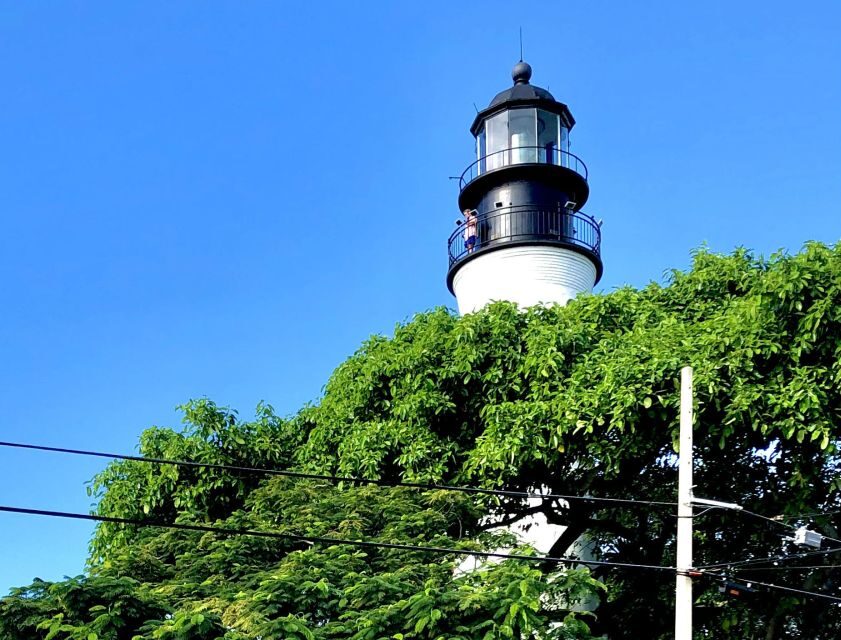
This is a short tour. That’s good news. But it’s still a real walk, and Key West weather can be intense.
You’ll walk about 1.4–1.8 miles in warm conditions. The tour runs rain or shine, unless you hit extreme weather. So plan for sun and heat by treating the tour like an active outdoor outing, not a stroll you can treat casually.
Here’s what you should bring, based on the tour guidance:
- Comfortable shoes (your best investment for the whole day)
- Sunglasses and a sun hat
- Sunscreen
- Water
If you hate carrying things, this is your reminder to travel light but not empty-handed. Water and sunscreen are not optional on a bright Key West day. Also, sunglasses make it easier to focus on your guide and absorb the stories without constantly squinting.
Also keep in mind who this isn’t for: it’s not recommended for people with limited mobility. If walking that distance in heat is hard for you, you’ll enjoy Key West more with a different format.
Price and Value: Is $39 Worth 90 Minutes in Key West?

At $39 per person, you’re buying guided context. You’re not paying for a long day of transport. There’s no bus ride included here—just a local guide, an organized walk, and maps at the finish.
So what’s the value?
- You get a coherent storyline: the island’s rise in the mid-1800s connected to shipwrecking, sponges, and cigars.
- You learn while you walk, which is perfect for Key West days when you want to feel like you’re doing something real without burning half the vacation.
- Maps are included, and those can save you time and decision fatigue afterward.
- The tour is short at 90 minutes, which makes it easier to pair with museums, a late lunch, or an evening plan without messing up your schedule.
Is it a bargain in the sense of “cheap”? Not exactly. But for a guided, story-driven, ends-at-a-major-marker walking experience with maps included, the price feels fair—especially if you like learning the reasons behind what you see.
If you’re on a tight schedule, this is also one of those purchases that can pay off mentally. You get your Key West “why” early, and that improves the rest of your day.
Who This Tour Suits Best (and Who Should Skip It)
This tour fits best if you want history with a walking rhythm and you like learning how an island’s location turns into work, trade, and wealth.
You’ll probably enjoy it most if:
- you like learning about how Key West industries shaped daily life
- you want an easy, structured way to cover a lot in 90 minutes
- you enjoy ending at a major landmark and immediately using that momentum to explore
You should skip or look for another option if:
- walking 1.4–1.8 miles in warm weather is a problem
- you need mobility support that this tour can’t provide
- you’re looking for a primarily indoor or seated experience
Should You Book This Southernmost Walking Tour?
I’d book it if you want a focused Key West introduction that turns the streets into a story. The combination of an industry-driven narrative, a solid 90-minute length, and free maps at the Southernmost Point makes it practical. You’ll leave with more than memories—you’ll have context, which helps you appreciate what you see next.
Skip it if heat-walking distance is tough for you, because the tour is designed around walking and not around accessibility accommodations. If you can do the distance comfortably, this is one of those experiences that makes Key West feel more understandable fast.
FAQ
Where does the tour start?
It starts at Kino Sandals Plaza.
How long is the Key West History and Culture Southernmost Walking Tour?
The tour lasts 90 minutes.
How much walking is involved?
You will walk about 1.4–1.8 miles in warm weather conditions.
What is the tour route based around?
You’ll walk through Key West learning about how the island became wealthy in the mid-1800s, including shipwrecking, sponge harvesting, and cigar manufacturing, and the tour ends at the Southernmost Point buoy.
Does the tour run in the rain?
Yes. The tour takes place rain or shine, unless there is extreme weather.
Is this tour suitable for people with limited mobility?
No. This tour is not recommended for people with limited mobility and is not suitable for mobility impairments.