REVIEW · KEY WEST
Southernmost Key West History and Culture Small-Group Walking Tour
Book on Viator →Operated by Florida Keys Ventures · Bookable on Viator
Small-group Key West history beats wandering alone. This walking tour strings together shipwrecking-era landmarks with big-name stories, then ends with that signature Southernmost Point photo moment. It’s built for people who want context fast, not just facts on a street corner.
Two things I especially like: you get a tight, small group experience with a local guide who keeps the walk moving and the stories interesting, and you also learn how the town’s layout makes sense after you’ve seen the key sights in sequence. One minor drawback to plan around is the warm-weather walk—this is about 1.4 to 1.8 miles at a moderate pace, so come ready for sun and comfortable footwear.
In This Review
- Key points before you go
- Starting at 107 Fitzpatrick St and ending at the Southernmost Point buoy
- The shipwreck economy: seeing how Key West got its money
- Mel Fisher’s story: the dream behind the finds
- Audubon House: shipwreck wealth, an ornithologist’s name, and the spooky side
- The lighthouse moved: understanding Southernmost Point’s changing story
- Hemingway-linked stories: fun moments when the house had famous residents
- Final photo at Southernmost Point: end strong with the buoy shot
- How much you walk, and what to bring for the heat
- Price and value: $39.99 for a focused, guided morning
- Who should book this Key West history walk (and who might want a different format)
- Should you book this tour?
- FAQ
- How long is the Southernmost Key West History and Culture small-group walking tour?
- Where does the tour start and end?
- How far do I need to walk?
- What should I bring for this tour?
- What’s the group size?
- Is the tour offered in English, and can I bring a service animal?
- What’s the weather and cancellation situation?
Key points before you go
- A guided orientation: you’ll leave with a clearer mental map of Southernmost Key West and what to do next
- Small group, max 10: easier questions, less standing around, and more personal attention
- History through famous names: Mel Fisher, the shipwreck economy, and Hemingway-linked stories
- Real-photo payoff: the finish at the Southernmost Point buoy is a must-have stop
- Heat matters: hat, sunglasses, sunblock, and at least one bottle of water are part of the deal
- You’ll walk: plan on sneakers and moderate physical fitness in warm weather
Starting at 107 Fitzpatrick St and ending at the Southernmost Point buoy
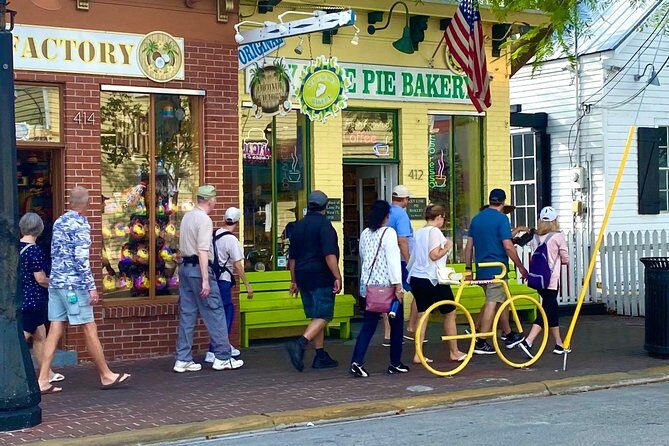
This tour starts at 107 Fitzpatrick St, Key West, with a 9:00 am start time, and finishes at the Southernmost Point of the Continental U.S.A. buoy at the intersection of Whitehead and South streets. You’re not going far in distance, but you are going far in meaning—Key West can feel like a scatter of colorful buildings until someone points out how the whole story connects.
I like that it’s a small-group tour (up to 10 travelers). That matters in Key West, where it’s easy for walking tours to turn into a slow parade. With fewer people, your guide can keep a steady pace and still pause for questions. A mobile ticket is included, so you’re not stuck hunting for paper.
Logistics-wise, you’ll want to arrive early enough to park. Meter parking is available on Fitzpatrick, Whitehead, and Front streets, and there’s a bike rack if you roll in by bicycle. You’ll also want to bring the basics for the sun—this is very much an outdoor morning.
You can also read our reviews of more walking tours in Key West



The shipwreck economy: seeing how Key West got its money
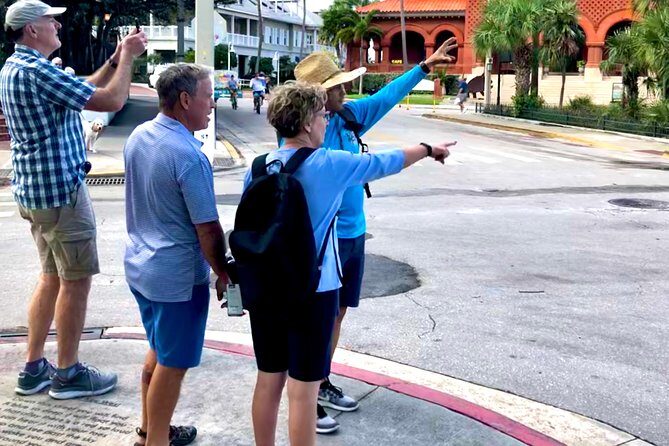
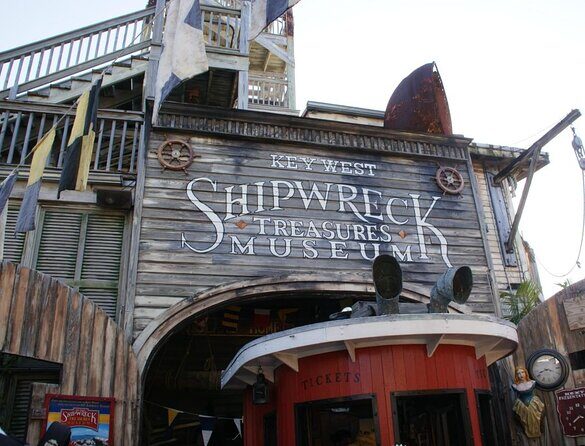
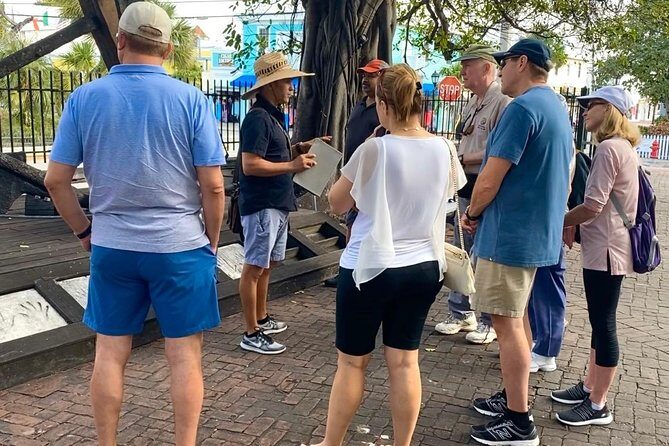
The first stop sets the tone. You’ll see the Shipwreck Museum from a distance, and your guide explains how the shipwrecking industry turned Key West into one of the wealthier towns in the U.S. It’s not just a history lesson about storms and wrecks. The real story is about what wrecks created: business, jobs, and the kind of money that could fund homes, institutions, and a very specific local identity.
One reason this stop works so well is that it prepares you for everything else you’ll see. When your guide later talks about named houses, famous treasure-hunters, and even why certain buildings exist where they do, you’ll already understand the economic engine behind it. Key West history makes more sense when you connect the dots between salvage, wealth, and the town’s physical footprint.
If you like your history with humor, you’re in luck. Guides on this walk often share fun, amusing stories—not dry narration. It’s the kind of approach that keeps people engaged even when the sidewalk heat starts building.
Mel Fisher’s story: the dream behind the finds
Next comes the name Mel Fisher, and the tour focuses on how a lifelong dream became reality. Fisher is one of those Key West legends that can feel oversized until you get the human version: the patience, persistence, and obsession it took to turn theory into actual treasure recovered from the sea.
What I find valuable here is that Fisher’s story acts like a bridge between two worlds: the classic shipwreck economy and the modern era of treasure recovery. You’re not just learning that wrecks happened. You’re learning why people kept chasing the same kinds of outcomes—and how those efforts shaped the town’s identity.
This is also a good time to ask questions. If you’re the curious type, use that energy while you’re still fresh and the group is assembled. Your guide can usually connect the legend to real landmarks you’ll see later.
Audubon House: shipwreck wealth, an ornithologist’s name, and the spooky side
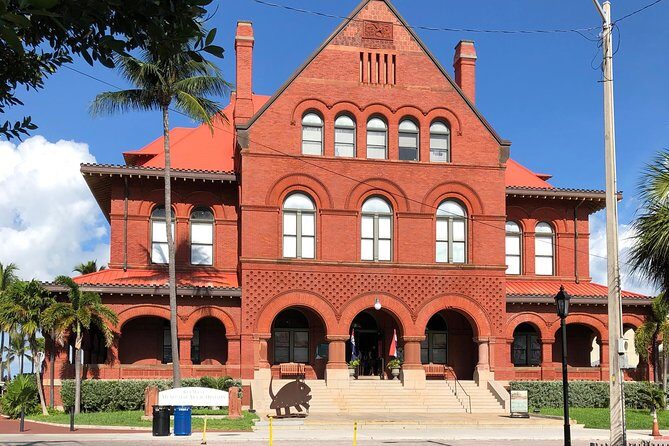
One of the most story-rich stops is Audubon House. You’ll learn that in earlier days, the property was owned by one of Key West’s successful shipwreckers—but it was named for a famous American ornithologist. That contrast is the whole point.
Why would a house tied to salvage be named after a bird scientist? Your guide explains the reasoning, and that helps you see Key West as more than just pirates and palms. The town’s shipwreck fortunes didn’t only build money. They also shaped culture, naming choices, and the way outsiders (and locals) pictured the island.
You’ll also hear about what your guide calls secrets and ghosts living in the house. Even if you don’t take the paranormal angle literally, it’s still fun—and it helps you imagine the character of the place when it was used by people with power, money, and influence.
This stop is also where you’ll likely start noticing architectural details more clearly. A walking tour like this works best when you stop seeing buildings as random. Instead, you start seeing them as evidence.
The lighthouse moved: understanding Southernmost Point’s changing story
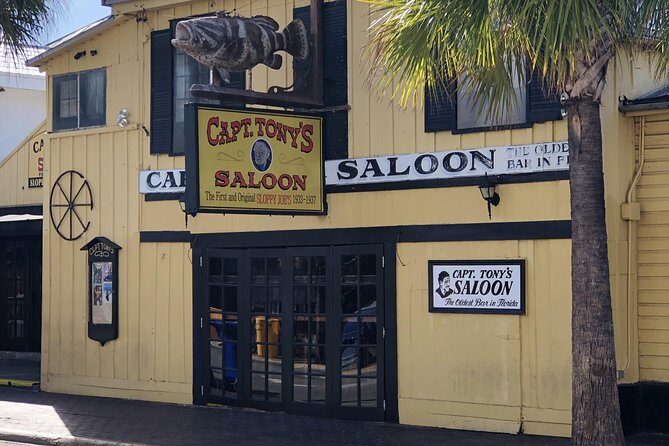
Another highlight is the history of the lighthouse—including why it was moved from Southernmost Point to its current location. This kind of detail matters more than it sounds. When you learn that even major landmarks can be relocated, it makes the area feel less like a frozen postcard and more like a working coastal system responding to real needs over time.
Key West is all about the relationship between land and sea. When the lighthouse changed location, that was part of adjusting how people navigated and how the coast was managed. Your guide explains the why, so you’re not left wondering why something iconic isn’t where you assumed it would be.
This stop also gives you a nice “map reset.” If you’ve been staring at Southernmost Point as a single moment, the lighthouse story reminds you that the area has been evolving—and you’re walking through layers, not one single snapshot.
You can also read our reviews of more historical tours in Key West





Hemingway-linked stories: fun moments when the house had famous residents

As the tour rolls along, your guide shares entertaining stories about Hemingway and what happened when he lived in the house referenced on this route. This isn’t meant to be a full biography. It’s more like the quick, human side of Key West’s fame—how big names show up in everyday routines, and how the island’s character shaped their lives.
I like this part because it keeps the walking tour from turning into a single-track lecture. After you’ve learned about treasure and economics, switching to personalities makes the town feel real. You’re not only learning what people found. You’re learning what they became.
On a good morning, this is also where the guide’s personality shows up—sharing humor, keeping the pace steady, and making the whole experience feel like a guided stroll rather than a timed script. If your guide has historical pictures on an iPad, this is often when they use them, helping you visualize how places looked in the past.
Final photo at Southernmost Point: end strong with the buoy shot
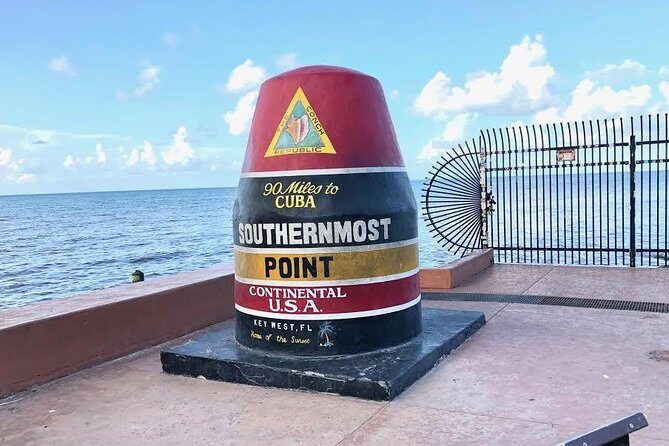
The tour ends at the Southernmost Point buoy at Whitehead and South. The original “must-have photo” promise is real here: this is the classic Key West end point, and the timing of the tour is designed to drop you right into that iconic finish.
One practical tip: be ready to move your phone/camera quickly and also be ready to take the photo from the angle the guide suggests. On this kind of tour, the guide often helps with timing and positioning so you get a clean shot.
When you’re done, you’ll have something else that’s easy to underestimate: you’ll have your bearings. After walking through landmarks tied together by stories, Southernmost Point stops being just a checkmark. It becomes the endpoint of a bigger narrative.
How much you walk, and what to bring for the heat
You should be comfortable walking 1.4 to 1.8 miles at a moderate pace in warm weather. That’s not a marathon, but it is enough distance to matter. Plan like it’s a real Key West morning: take the sun seriously.
Bring:
- a hat
- sunglasses
- sunblock
- at least one bottle of water
- comfortable clothing and sneakers (sneakers are the best call)
This tour also notes moderate physical fitness as the baseline. If you know you struggle with walking in heat, consider pacing breaks. It’s a good idea to start your Key West vacation with this kind of orientation anyway, because it helps you plan the rest of your day more intelligently.
Good news: the tour allows service animals. It also operates with a small group size, which usually means you won’t be stuck in a huge moving crowd.
Price and value: $39.99 for a focused, guided morning
At $39.99 per person, this is priced like an orientation tour: short, guided, and designed to help you understand what you’re seeing quickly. For that cost, you get a local guide, a structured walk across several recognizable landmarks, and the kind of context that turns photos into memory.
The best value here is not just the price tag. It’s the pacing and the sequence. You’re not spending the time figuring out what to look at first. You start with the shipwreck economy, get connected to major figures like Mel Fisher, learn the strange-but-true Audubon House naming twist, understand why the lighthouse shifted, then cap it with Hemingway-related stories and a Southernmost Point photo.
You’re also not locked into a museum timeline. In a place like Key West, that matters. If you want a full-day plan, a 1 hour 45 minutes history walk is a smart opener.
Who should book this Key West history walk (and who might want a different format)
This tour fits you if:
- you’re visiting Key West for the first time and want a fast orientation
- you like history that connects to what you’re actually seeing on the street
- you enjoy guides who add humor and take questions
- you want a short morning activity that doesn’t eat your whole day
It might not fit as well if:
- you want deep museum time or long indoor explanations
- you don’t do well with walking in heat (even a short route can feel long in the sun)
- you need very crisp English from every sentence. While the tour is offered in English, one experience did mention a language clarity issue. If that’s a deal-breaker for you, consider it when choosing your timing.
Should you book this tour?
Yes—if you want Key West history in an easy, well-paced form. This walk is a strong way to get your bearings fast, especially because it connects shipwreck wealth, treasure legends, architectural storytelling, and the lighthouse and Hemingway threads into a single morning flow.
If you book it, do three things: arrive on time for the 9:00 am start, come in sneakers and sun gear, and use the time to ask your guide what to do next. Guides on this kind of walk often share recommendations for food and what’s worth your time after you finish at Southernmost Point.
FAQ
How long is the Southernmost Key West History and Culture small-group walking tour?
It lasts about 1 hour 45 minutes.
Where does the tour start and end?
It starts at 107 Fitzpatrick St, Key West, FL 33040 and ends at the Southernmost Point of the Continental U.S.A. buoy at 1400 Whitehead St, at the intersection of Whitehead and South streets.
How far do I need to walk?
You should be able to walk 1.4 to 1.8 miles at a moderate speed in warm weather.
What should I bring for this tour?
Wear comfortable clothing and shoes (sneakers are best), and bring a hat, sunglasses, sunblock, and at least one bottle of water.
What’s the group size?
The tour has a maximum of 10 travelers.
Is the tour offered in English, and can I bring a service animal?
The tour is offered in English, and service animals are allowed.
What’s the weather and cancellation situation?
The experience requires good weather. If it’s canceled due to poor weather, you’ll be offered a different date or a full refund. You can cancel up to 24 hours in advance for a full refund. If you cancel less than 24 hours before, the amount paid won’t be refunded.